
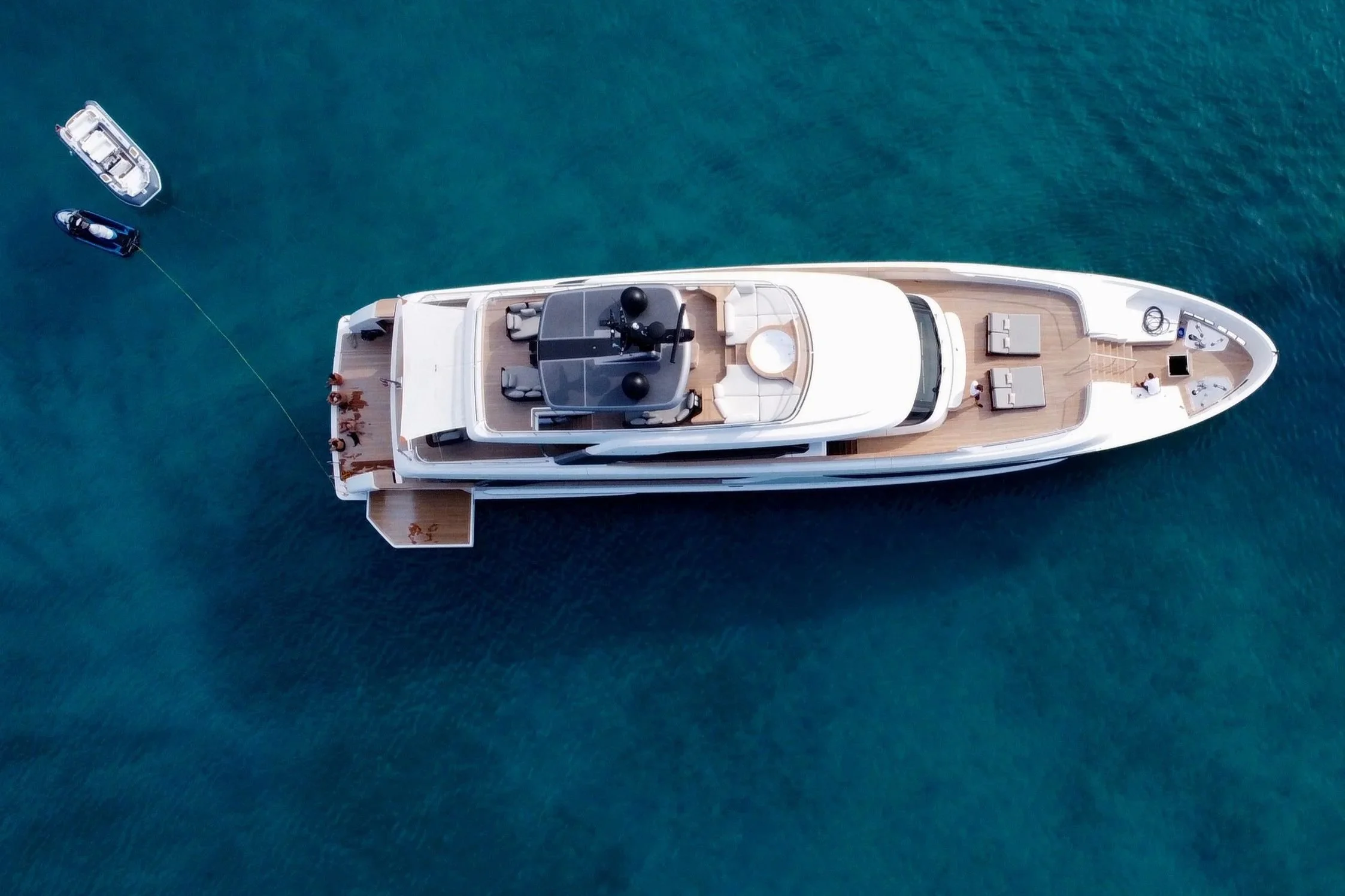
The Caribbean yacht season runs from roughly November to April. As the Mediterranean quietens for winter, much of the superyacht fleet crosses the Atlantic, and the season opens each December with the Antigua Charter Yacht Show in English Harbour.
Chartering in the Caribbean began almost by accident, on a quay in Antigua, and the region has held its place on the winter calendar ever since. For the Captain and Purser, a season here also brings a steady flow of paperwork, which the second half of this guide covers.
Why the Caribbean
The appeal of the Caribbean yacht season starts with the weather. As Europe and North America head into winter, the Caribbean enters its dry season, bringing warm temperatures, inviting waters and steady trade winds. These conditions make yachting in the Caribbean particularly appealing for sailing and super yachts, with ideal opportunities to explore the islands, enjoy extended time at anchor and cruise between destinations.
Then there’s the variety. Islands shaped by British, French, Dutch and American history sit within a few hours of one another, so a single week can take in quiet anchorages and busy harbour towns without a long passage between them.
The atmosphere is different from the Med. Crew who have worked both seasons tend to describe the Caribbean as more relaxed, with long days on the water and fewer formal evenings, while the standard of service stays exactly where it was. There’s plenty to explore across the islands, too. Jess and Jake’s favourite activities include ATV adventures in St Kitts, go-karting in Antigua, crew BBQs, and swimming or wakeboarding off the beach. They also recommend visiting Cloggy’s in Antigua, exploring the Goat Trail and Lookout Trail to Shirley Heights, catching the Sunday live music at Shirley Heights, and hiring a catamaran from St Thomas to stop for lunch at Lime Out, the floating taco bar and cocktail spot off St John.
Caribbean destinations by yacht
The Eastern Caribbean has dozens of cruising grounds. These three appear on many superyacht itineraries, each for a different reason.
British Virgin Islands
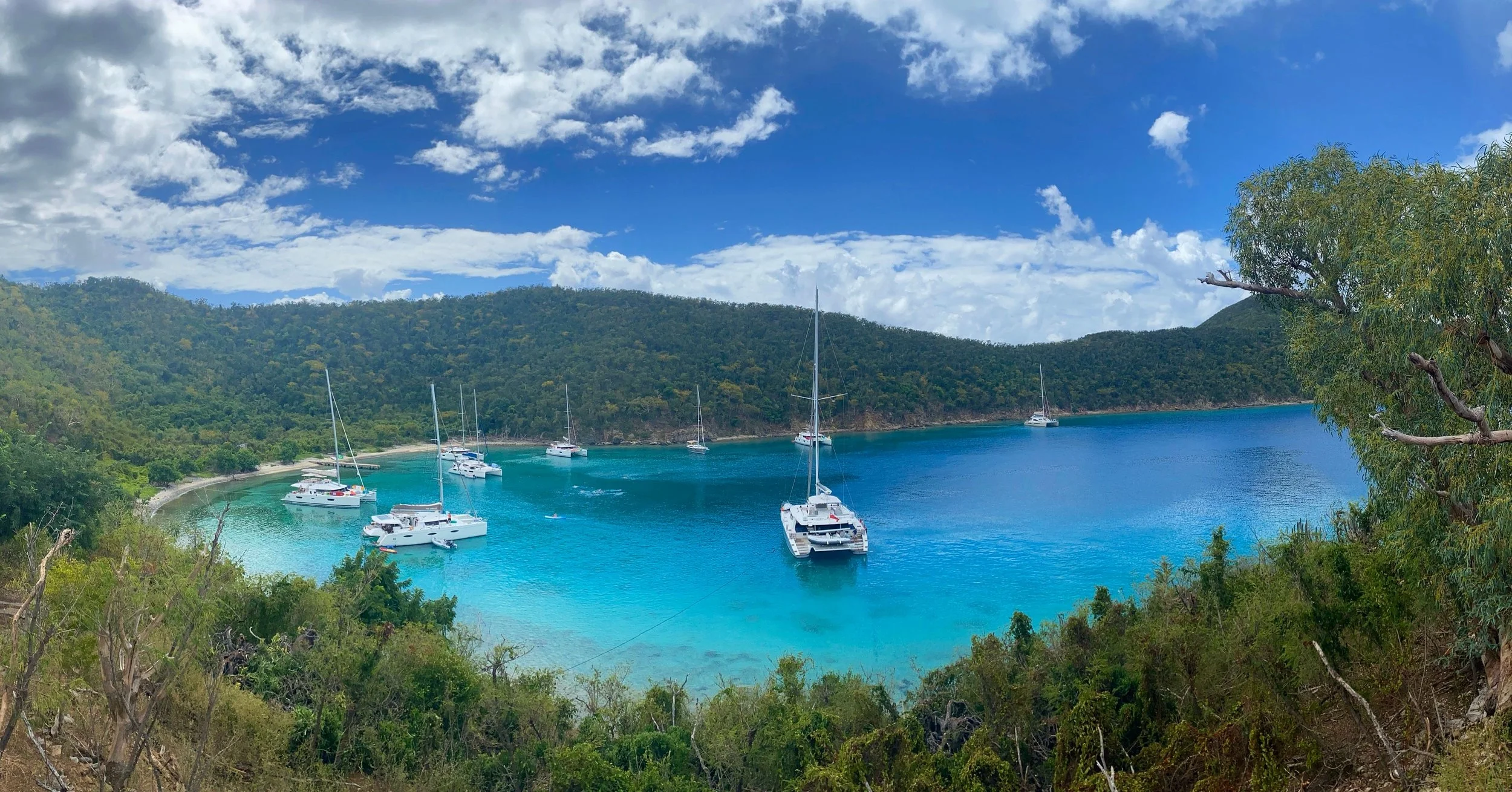
The BVI suits a slower itinerary. The Sir Francis Drake Channel runs between the main islands, and stops such as the caves at Norman Island and White Bay on Jost Van Dyke are close enough to visit in a single day.
The US Virgin Islands lie a few miles west under a different flag. Moving from Tortola to St Thomas is an international crossing: the vessel clears out of the BVI and in with US Customs and Border Protection, and everyone aboard has to meet US entry requirements.
St Barths
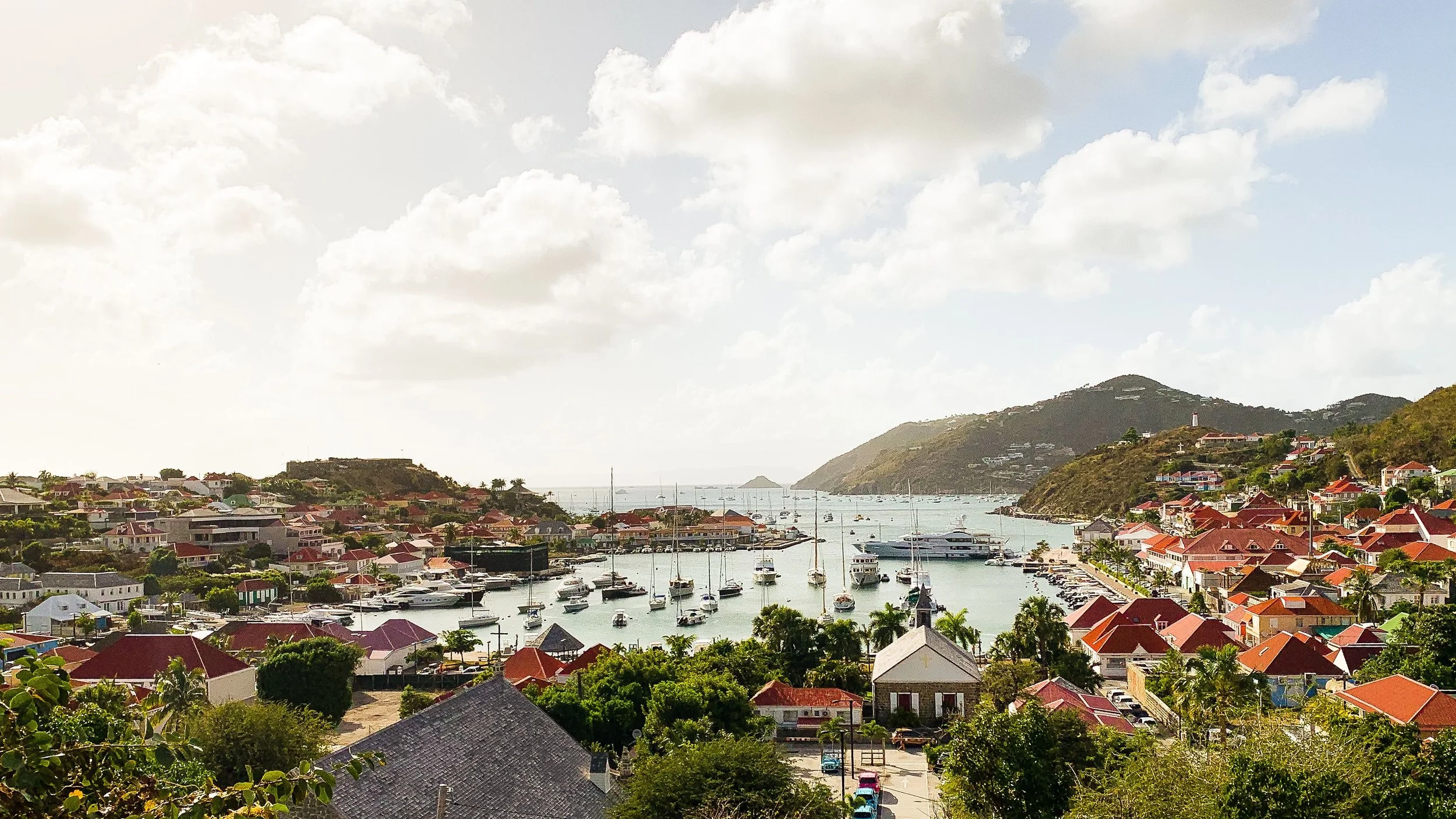
St Barths, officially Saint-Barthélemy, is a French overseas collectivity with a small harbour at Gustavia. Between Christmas and New Year it becomes the centre of the Caribbean season, and that week is planned earlier than any other on the calendar. In March the harbour fills again when 40 or more sailing superyachts arrive for the Bucket.
Antigua
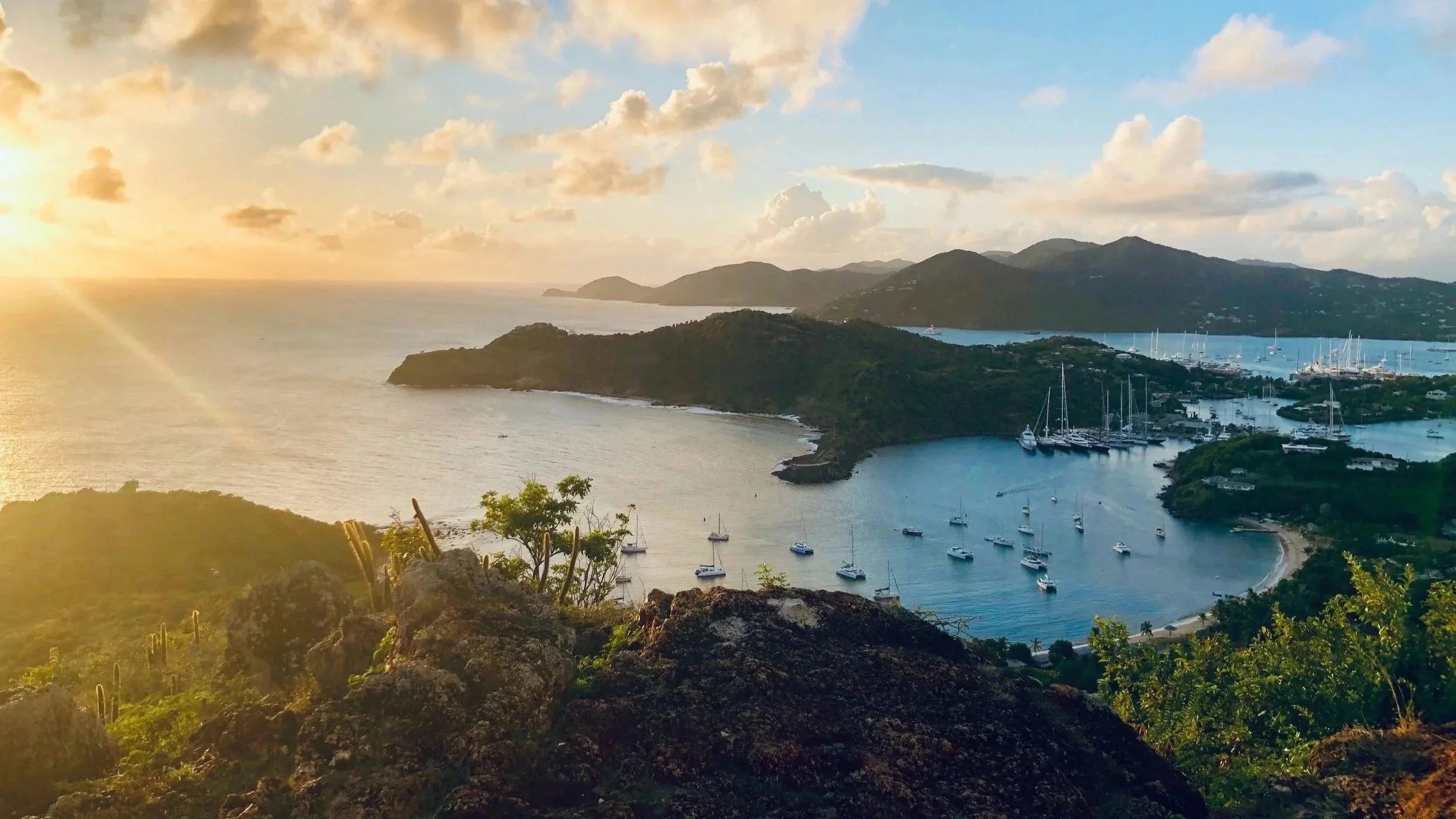
English Harbour and Falmouth Harbour sit side by side on Antigua’s south coast, with the marinas, yards and service companies vessels rely on between trips. Guests come for Nelson’s Dockyard and its restored Georgian buildings. Captains tend to value Antigua for the practical side of the season, from maintenance to crew changes.
A short history of Caribbean yachting
In 1949, retired Royal Navy Commander Vernon Nicholson sailed into English Harbour with his wife and two sons aboard Mollihawk, a 70-foot schooner. They planned to refit the vessel and continue their journey, but the abandoned Georgian naval dockyard had other plans.
When a visitor asked for a sailing trip through the islands, the Nicholsons began offering charters. More requests followed, and their business became the Caribbean’s first yacht charter company. The family also supported the Friends of English Harbour, whose restoration work transformed the derelict dockyard into a UNESCO World Heritage Site, listed in 2016.
Racing soon became part of the region’s yachting identity. Antigua Sailing Week began in 1968, founded by a group of friends, including hoteliers hoping to extend the island’s winter visitor season. In 1988, classic yachts formed their own regatta, and the race management team later helped establish the RORC Caribbean 600.
Today, the same dockyard where Mollihawk once tied up hosts the Antigua Charter Yacht Show, which reaches its 65th edition this December.
The work behind a Caribbean season
Guests may see relaxed days on the water, but behind the scenes there is plenty happening. Every time a yacht moves between countries, there’s the process of clearing in and out, with crew lists, passports and clearance papers from the previous port ready to go.
Accounting also needs particular care in the Caribbean. One itinerary might involve US dollars in the Virgin Islands, Eastern Caribbean dollars in Antigua and euros in St Barths. Cash management is equally important, as the region still relies heavily on US dollar cash for tips, local suppliers and port fees, while ATMs on smaller islands can be limited. Maintaining a cash float and logging every transaction properly is essential, alongside recording each receipt against the correct account and applying the right exchange rate.
It also depends on whose trip it is. During an owner’s trip, costs are charged to the owner’s own accounts. On a charter, guest spending comes from the advance provisioning allowance (APA), which is reconciled with the charterer before they disembark. Over the festive period, when an owner’s trip and a charter can run back to back, keeping the two sets of accounts separate takes extra care. Berth bookings also need to be organised well in advance, particularly in Gustavia, where Christmas and New Year berths are often booked months ahead. Requests and deposits frequently fall to the Purser to manage.
Crew changes bring their own challenges. Flights into smaller island airports can be limited, making travel logistics particularly important when crew are joining or leaving the vessel between islands, especially when the yacht is at anchor. Depending on their nationality and travel arrangements, crew may also need B1/B2 visas and travel letters from the yacht to clear US immigration. Vessels of 300 GT and over must also file a Notice of Arrival with the US Coast Guard at least 96 hours before entry. Anyone joining mid-season must be added to the vessel’s paperwork before the next clearance. For comparison, see how superyachts stay on top of admin through the Mediterranean season.

How Silverlining Pursers supports vessels in the Caribbean
Silverlining Pursers is a team of experienced superyacht Pursers, working shoreside alongside Captains, onboard Pursers and Heads of Department. We take on the paperwork that builds up over a season, so the team onboard can keep its attention on the vessel and its guests.
We offer full scope purser support. During a Caribbean programme, that might include:
Crew travel, joining logistics and visas
Payroll and crew HR administration
Accounts, reporting and guest expenses
Crew lists and vessel documents prepared ahead of each clearance
Our service is also very flexible and works to the requirements of your vessel. Some clients keep us on for the whole season, while others call on us for the weeks that need it most. Where a Purser is already onboard, we act as extra capacity for them.
Jess, our Director, worked her way from Stewardess to Purser on some of the world’s largest yachts, including the 110-metre Motor Yacht Kaos, and holds a Purser Certificate of Competency alongside a university degree in HR and accounting. Jake, our co-founder, brings the deck side of the operation from his time as Chief Officer. You can meet the team here.
Support for your Caribbean season
If you’re preparing a vessel for the Caribbean this winter, get in touch and we’ll talk through what your season needs.
Onshore support. Onboard precision.
FAQs
Do yachts have to clear customs on every Caribbean island?
Only when they enter a new country. A vessel cruising within the British Virgin Islands clears in once, while a run from Antigua to St Barths and on to Sint Maarten crosses three national borders. Across much of the Eastern Caribbean, advance notice can go through SailClear, a system from the Caribbean Customs Law Enforcement Council that stores vessel, crew and guest details so they can be updated at each stop. It has charged an annual subscription since May 2024.
When should a yacht start planning its Caribbean season?
Planning starts while the vessel is still in the Mediterranean. Captains often crew up in September and October before the crossing, so contracts, flights and visas for the winter are often settled weeks before the vessel reaches the Caribbean.
Does a yacht need a full-time Purser for the Caribbean season?
Yachts of around 70 metres and above usually carry a full-time Purser all year. Smaller vessels, or those whose Purser is stretched by a busy programme, can cover the season with shoreside support instead. Our guide on when a yacht needs additional Purser support covers the signs in more detail.
When is the Caribbean yacht season?
Most superyachts arrive between November and early December and leave in April or May. Many make the Atlantic crossing in November with their crew onboard. Others come down from Florida and the US East Coast, a much shorter trip.
The weather sets the end date. The Atlantic hurricane season officially runs from 1 June to 30 November, so by early summer most of the fleet has moved on, usually back to the Mediterranean or north to New England.
The 2026/27 season at a glance
November: the main window for Atlantic crossings
4–9 December 2026: the Antigua Charter Yacht Show, widely seen as the official start of the charter season
Late December: Christmas and New Year, the busiest charter weeks of the winter
22 February 2027: the RORC Caribbean 600 starts from Antigua, a 600-mile race around 11 islands
18–21 March 2027: the St Barths Bucket, the sailing superyacht regatta
Late April 2027: Antigua Sailing Week
April–May: return crossings across the Atlantic