
South Pacific Super Yacht Charter: Why The Fleet Is Looking Beyond The Med
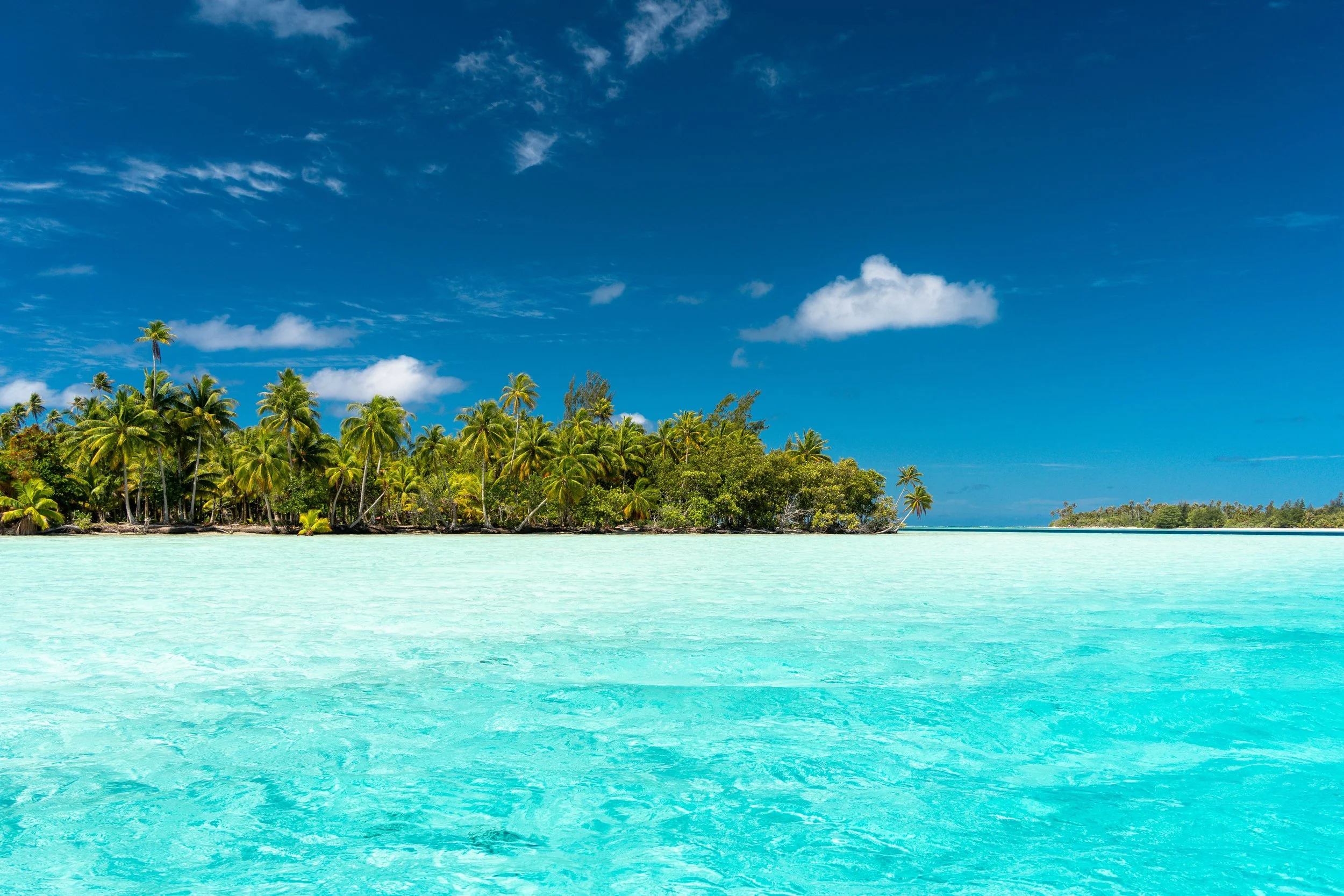
For years a superyacht season followed a set shape: the Mediterranean in summer, the Caribbean in winter, repeat. That pattern is loosening, as the South Pacific superyacht charter has moved from a rare expedition to a fixture on the global rotation, and the numbers back it up. After a five-year campaign by Superyacht Australia alongside Fiji, the Cook Islands, New Zealand and Tahiti, visitation across the region now sits at record levels.
This is not simply a case of a prettier postcard, the move south changes what a season asks of the yacht, the crew and the people supporting it from shore. Below is why owners are making the shift, what the region actually offers, and what running a season here takes once the brochure is closed.
Why Owners Are Branching Out
The classic milk run is still one of the great pleasures in yachting. The French Riviera, the Amalfi Coast, the Balearics and the Greek islands earned their reputation, and they keep it. What changes, after enough seasons, is familiarity. The marquee ports are busy, prime berths are booked far in advance, and an owner on their fifth or sixth summer has often seen the anchorages that matter.
There is a quieter shift underneath this too. The value of privacy and discovery has been increasingly growing. It is the same instinct driving interest in explorer yachts and long-range builds: the freedom to go where few yachts are, and to be off-grid when it suits. The South Pacific answers that instinct directly.
What Draws Them South
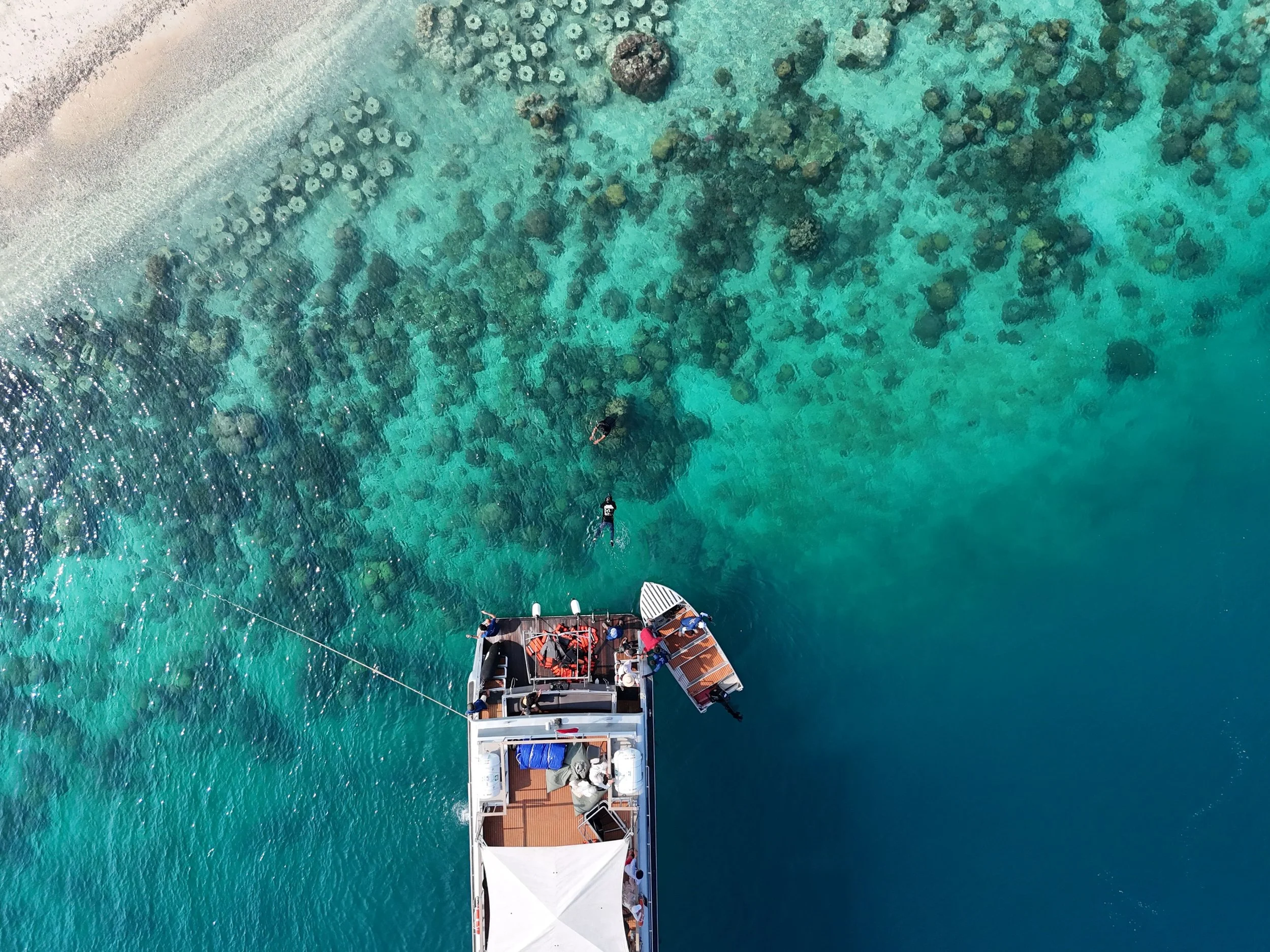
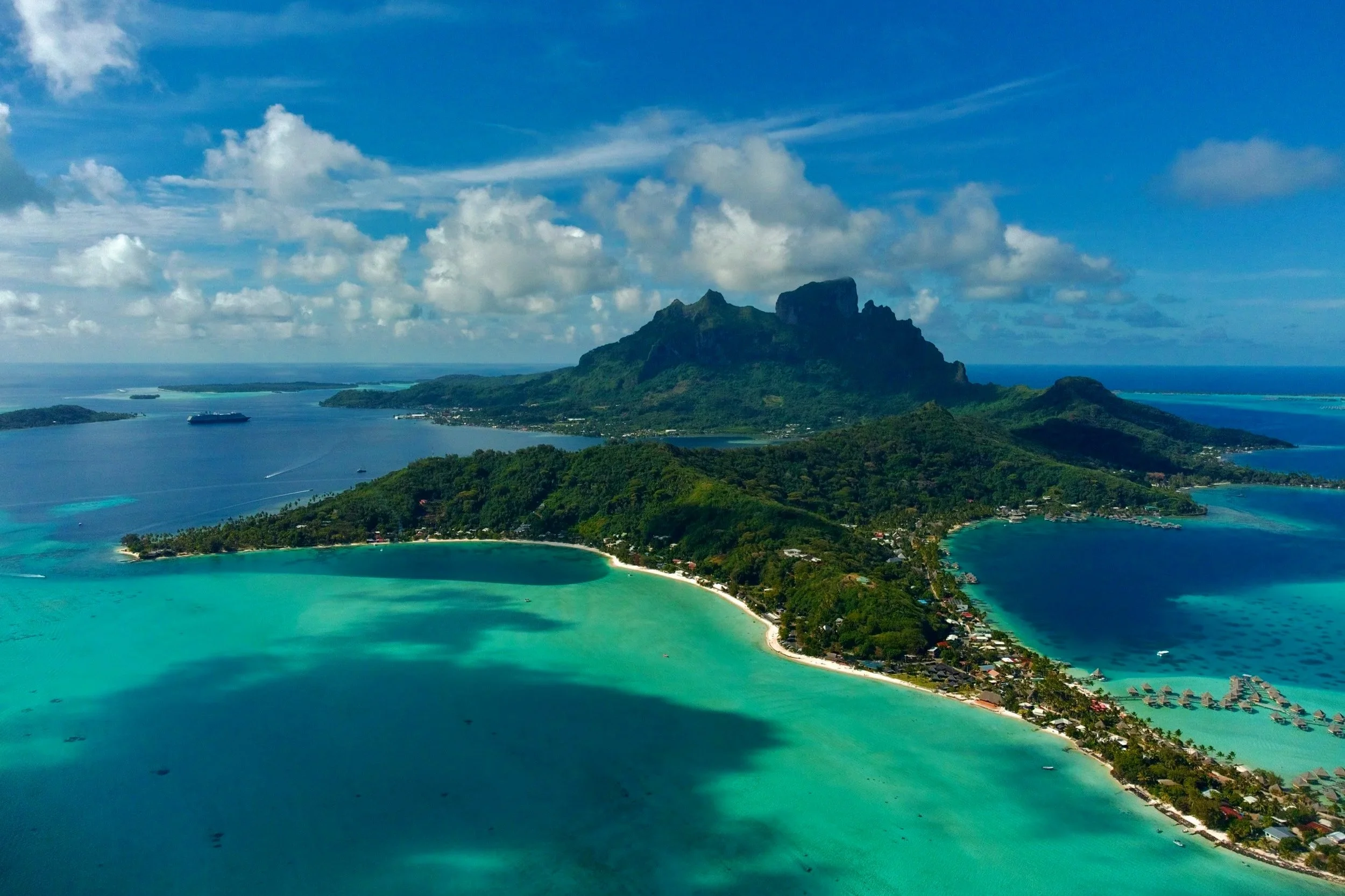
The scale is difficult to overstate until you plot it. French Polynesia alone covers an area larger than continental Europe, spread across more than 100 inhabited islands. That is not one destination, it is dozens, loosely grouped into Polynesia and Melanesia, holding everything from active volcanic peaks and rainforest to the kind of turquoise lagoons the region is known for.
The marine life is a large part of the appeal, as reef systems here remain intact in a way that busier grounds lost decades ago, and the diving and snorkelling reflect it. For guests who have done the Med and the Caribbean, the underwater experience is a convincing reason in itself.
There is also a practical charm that gets missed. Most passages between islands run around 20 to 50 nautical miles, so cruising days stay relaxed and there is the opportunity for time ashore rather than long ocean legs, so owners get range and variety without the fatigue of constant repositioning. In one region you can move between distinct cultures, languages and landscapes across a single itinerary.
The Infrastructure Has Finally Caught Up
For a long time the South Pacific was viable only for well-found boats with adventurous crews. That is changing, and it is the main reason the region has gone mainstream.
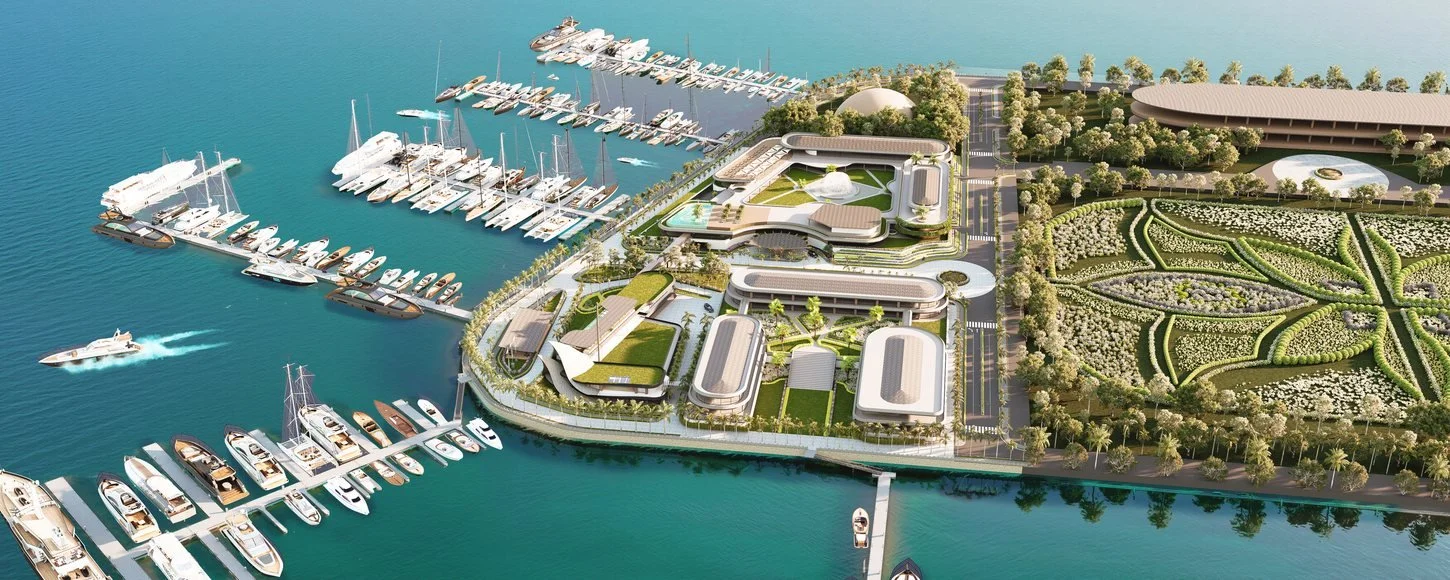
Marina capacity has grown. Fiji's Nawi Island Marina in Savusavu offers 132 serviced berths, including space for superyachts to 85 metres, with a shipyard and a 75-tonne travel lift on site. Provisioning supply chains out of Papeete and Suva have matured to the point where they can support demanding programmes rather than just resupply a passage.
Access has improved significantly. Air freight has been introduced to remote island destinations, which means parts and provisioning that were once very hard to arrange can now be organised with some reliability. Air Tahiti Nui begins direct Sydney to Papeete flights in December 2026, simplifying crew changes and guest arrivals into French Polynesia. And the coordinated cruising rules between Australia, Fiji, French Polynesia and New Zealand allow foreign-flagged yachts to move through the region on a workable basis, with extended cruising allowances in some countries.
The region's profile lifted again in June 2026, when French Polynesia announced plans for what would be the largest marine protected area in the world. That kind of recognition arrives at the same moment access is getting easier, which is part of why the interest has built so quickly.
The momentum is not limited to the South Pacific either. Across the wider Asia-Pacific, marina infrastructure is being built at pace. In Bali, Benoa Marina is on track to open around the middle of 2026 with 180 slips, more than 50 of them built for yachts up to 90 metres, alongside a mobile hoist rated to 200 tonnes and a fuelling station. Both local and national governments have been open about wanting it to become the region's yachting hub. A dedicated superyacht marina in the Zamani Islands is on the way too, set to bring 120 berths online in stages over the next few years.
What Gets Underestimated
None of this means the South Pacific runs like the Mediterranean yet. The region is far more accessible than it was even a few years ago, and the direction of travel is firmly positive, but a cruising ground opening up is not the same as one that has been serviced for decades, and some real hurdles remain. They have nothing to do with the scenery.
Remoteness is the appeal and the challenge at once. In the Med, a missed provision or a visa snag is an inconvenience you can fix by lunchtime, a thousand nautical miles into the Pacific, the same problem is a larger one. Clearance and cruising permits still differ from one country to the next. Crew route through fewer travel hubs than they would in Europe, and provisioning windows are tighter. The boat also sits a long way, in both distance and time zone, from the service providers most operations lean on.
This is precisely where onshore support earns its place: knowing how the region's seasons and logistics actually work, and having the experience to handle them from a distance. Remote, but not removed.
For a Captain or onboard Purser already carrying a full plate, a South Pacific season adds work in exactly the places that are easiest to get wrong from a distance: financial administration, crew travel and logistics, clearance coordination and guest arrangements. A fractional model covers that peak without the cost of a permanent hire, scaling up for the season and stepping back when the boat returns to quieter waters.
Planning A South Pacific Season
The practical scaffolding of a season here is well established. A few things to hold in mind:
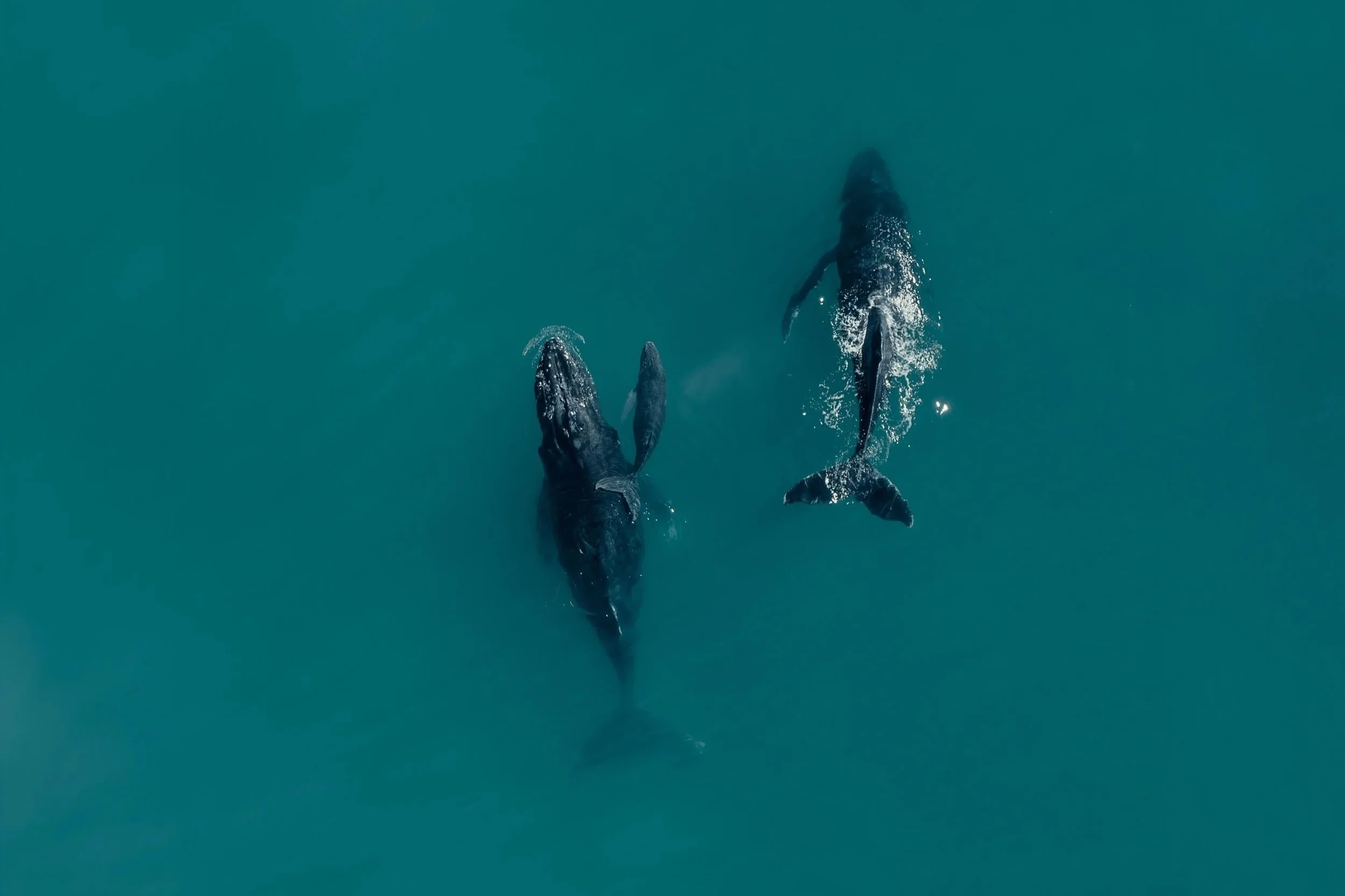
The prime window runs roughly May to October, the dry season, with better weather and visibility, and Tonga's humpback whale season falling inside it.
The classic French Polynesia itinerary covers the Society Islands and pushes into the Tuamotus across ten to fourteen days, with the Marquesas added for those who want the more remote leg.
Fiji's archipelagos, New Caledonia and Vanuatu extend the range and add cultural depth for longer programmes.
Further afield, Indonesia is increasingly part of the wider Asia-Pacific picture, with Komodo and Raja Ampat drawing yachts and Bali developing into a gateway as its marina capacity grows.
None of this is fixed. The point of the region is that itineraries can be built around what the owner actually wants, whether that is diving, seclusion or cultural immersion, and adjusted as the season unfolds.
FAQs
When is the best time for a South Pacific superyacht charter? The dry season, roughly May to October, is the established window. It brings more settled weather and stronger visibility for diving, and it overlaps with the humpback whale season around Tonga.
How long can a foreign-flagged yacht stay in the region? Coordinated cruising arrangements between Australia, Fiji, French Polynesia and New Zealand allow foreign-flagged yachts to move through the region on a revolving basis, with extended allowances in some countries. Because these rules change, confirm the current position with a local agent or your management before finalising a programme.
How does the South Pacific compare to the Mediterranean? You trade convenience and the social scene for space, privacy and discovery. The trade-off is more planning: the region rewards preparation in a way the well-serviced Med does not demand.
What is different about running a season here operationally? Remoteness raises the stakes on everything logistical. Clearance, provisioning, crew travel and administration all need to be handled further ahead and with less margin for error than an owner or crew would be used to closer to home.
The Season is Won Onshore

The move south is one of the more interesting shifts in yachting right now, and it rewards the yachts that prepare for it properly. For owners and crew building the region into their rotation, the difference between a smooth season and a stressful one usually comes down to organisation and preparation, well before the guests arrive.
Onshore support. Onboard precision.
If a South Pacific season is on your programme, get in touch to talk through how our shoreside support works.